
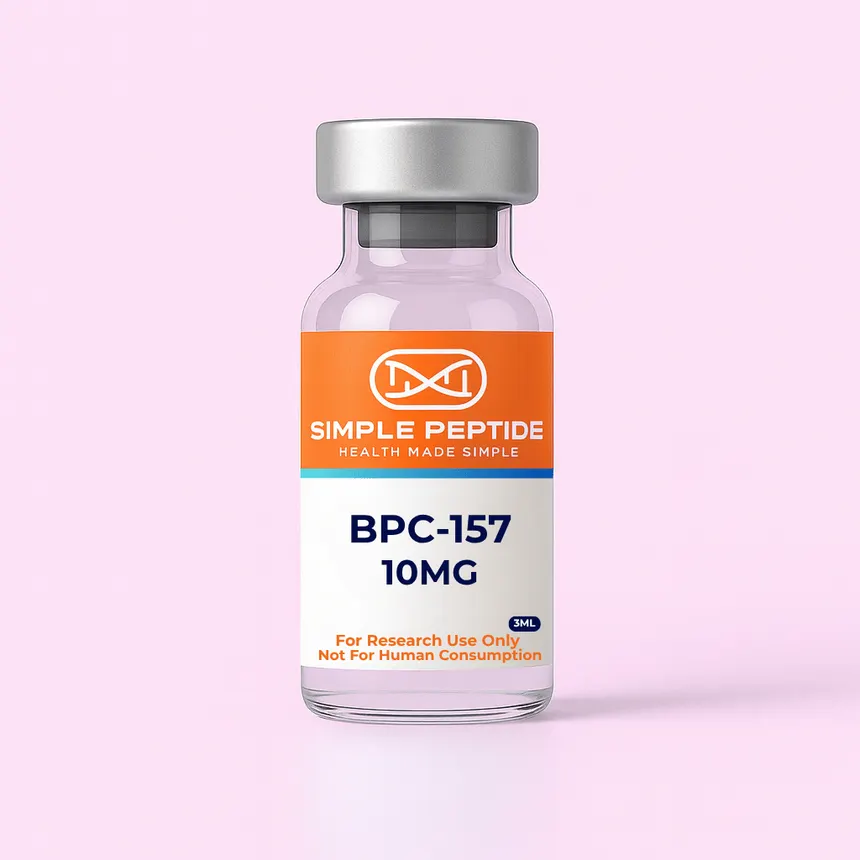
BPC-157 is a synthetically produced pentadecapeptide (comprising 15 amino acids) derived from a partial sequence associated with the broader class of gastric-origin “body protection compounds.” Within controlled research environments, BPC-157 is utilized as an investigational peptide to examine molecular and cellular signaling pathways implicated in tissue response to injury, including those governing fibroblast proliferation and migration, extracellular matrix (ECM) remodeling, and endothelial cell function.
In preclinical and in vitro contexts, BPC-157 is frequently assessed using experimental models designed to quantify parameters such as cellular migration dynamics, viability under stress conditions, angiogenesis-associated signaling pathways, and oxidative stress-related biomarkers. These measurable endpoints, observed in cell-based assays and animal models, support its application as a tool for studying mechanisms related to tissue repair processes, vascular recruitment and collateral formation, as well as inflammation-associated signaling networks, without extrapolation to human clinical outcomes.
For research use only. Not for human consumption.
References:
Sikiric P et al., Curr Pharm Des, 2018;24(18):2002–2030
Kang EA et al., Dig Dis Sci, 2013;58:3310–3317
Seiwerth S et al., Biomedicines, 2018;6(3):75
Reviews
There are no reviews yet.