
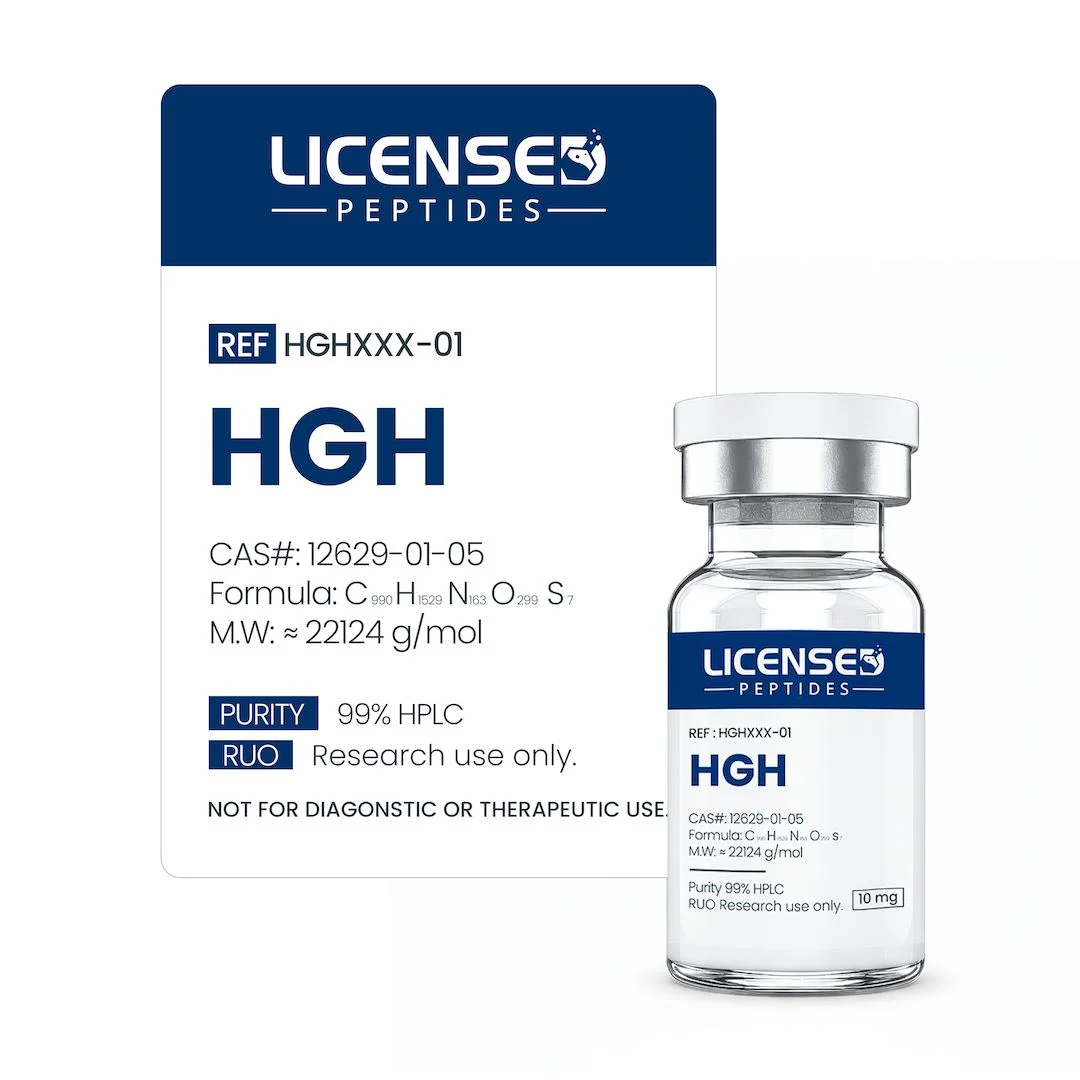
Human Growth Hormone (HGH), or somatotropin, is a peptide hormone endogenously produced by the anterior pituitary gland and extensively studied across biological, biochemical, and cellular research domains. Within controlled laboratory settings, HGH is investigated for its regulatory role in growth-associated signaling pathways, metabolic cascade modulation, and mechanisms underlying cellular regeneration. Upon binding to its cognate receptor, HGH initiates intracellular signaling events and promotes the synthesis of insulin-like growth factor 1 (IGF-1) in hepatic cell models, facilitating the observation and quantification of downstream biological responses.
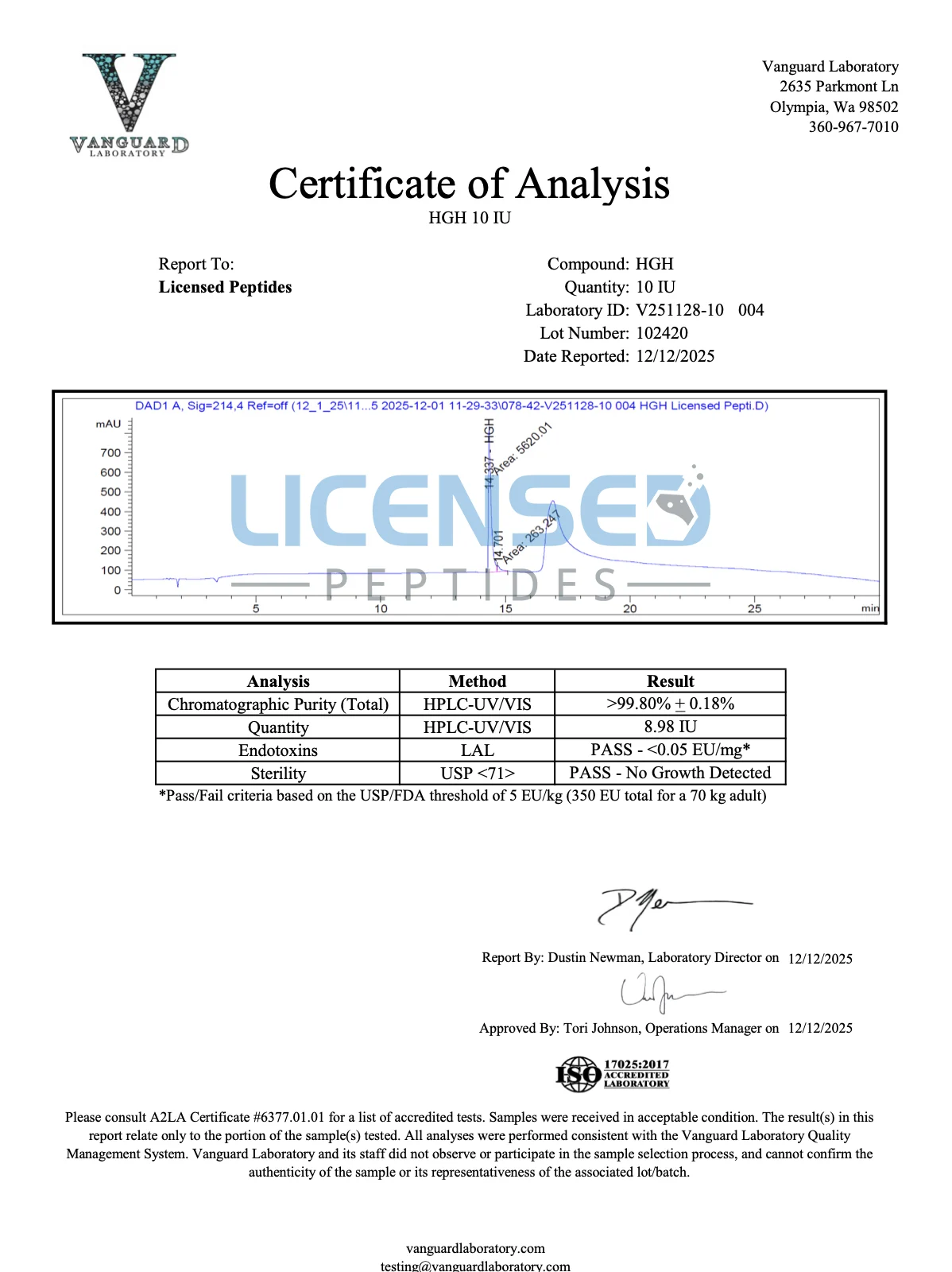
Across diverse experimental systems, somatotropin is utilized to examine processes including protein synthesis kinetics, lipid metabolism regulation, immune signaling interactions, bone density modulation, and tissue repair pathways. In aging or metabolically stressed models, endogenous GH expression is frequently diminished, providing a framework for evaluating the behavior and signaling characteristics of exogenously applied HGH in vitro and in controlled research environments. Standardized formulations, such as HGH 10 IU, are commonly selected due to their defined concentration, stability, and consistency, enabling reproducible experimental conditions.
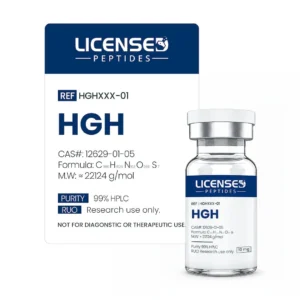
The HGH 10 IU formulation is particularly suited for laboratory applications requiring precise dosing and high reproducibility across assay systems. Its standardized profile supports reliable performance in receptor-binding studies, biochemical pathway modeling, cellular signaling analyses, and broader metabolic research protocols, without implying clinical or therapeutic outcomes in humans.
For research use only. Not for human consumption.

Reviews
There are no reviews yet.